A Nap és a Hold
Hur-rá! ruszki csatakiáltás. H nélkül, mint a finn-permiek. (H)ural?
Hajrá! Hayastan neve a Hayk szóból származik. A magyar hajk két félhold alakú bevágás fadöntéskor. Az egyik félhold a fa törzsén érzékelhető, a másik félhold a visszamaradó tuskón. Az AI szerint a hay nem hold, hanem a júliusi telehold neve.
Europeans called July's full Moon the Hay Moon. Moon After Yule is an Anglo-Saxon version, referring to the pre-Christian Yule. (Köze sem lehet Julius Kayszarhoz.) Hay-Rá szavunk eredete Kardhágó: Volt egy focicsapat, akik megfogadták, hogy addig borotválják a fejüket, amíg nem nyernek legalább egy meccset. Őket buzdították úgy, hogy "haj rá!" :).
Szimbólum
hely, ahol az emberek istenekké válnak
Alaprajza négyzetes háló, amely a központi, északkelet irányú, több mint egy kilométer hosszú főút, a „Holtak útja” köré szerveződött. Az út a Hold-piramisnál végződik, két oldalán templomok romjai sorakoznak. A Nap-piramis 75 méter magas, alapja 222-szer 225 méter, a Hold-piramis valamivel kisebb; mindkettőt sötétvörösre festették. A széles főutcát az úgynevezett Fellegvár zárja le, a Tollaskígyó romos állapotban lévő templomával.
The use of astronomical symbols for the Sun and Moon dates to antiquity. The forms of the symbols that appear in the original papyrus texts of Greek horoscopes are a circle with one ray (old sun symbol) for the Sun and a crescent for the Moon.(wiki) Egy csillag és felette a félhold a Hold szimbóluma.
Alchemy
Sun and Moon’s symbolism is a real paradigm for the rule of three ( a symbol may have at least three meanings). In Sun and Moon allegory, Alchemy is spread and hidden
Sutton Hoo
Some of the silver bowls found in the chamber feature cross-shaped decoration, possibly suggesting a Christian origin, while a pair of silver spoons bear the names 'Saulos' and 'Paulos', which would appear to be references to the Christian story of the conversion of Saul on the road to Damascus.
Pacific
Tagalog
The other Tagalog version seems to be older and preserves the identities of Araw and Buan as deities who ruled day and night, respectively. Buan however was a usurper, shining also during the last part of the day and sometimes during the morning. A quarrel ensued despite the efforts of Lihangin, the god of the wind, to mediate. Buan was badly hit and parts of her body were scattered and became the stars. Since that time, the Moon has not been as bright as before. The tale shares similarities to the Kapampangan story of Apolaki and Mayari.
Mandaya szavak: supsup=to sip. iminum=to drink. tud=knee.
Liangzhu
The Liangzhu culture (c. 3300–2300 BCE) of ancient China is celebrated for its highly advanced jade craftsmanship and deep cosmological beliefs. While there is no single artifact universally known as the "sun-moon ring," the Liangzhu people are famous for creating incised jade ritual objects, such as the bi (disks) and cong (tubes), which fundamentally symbolize the sun, moon, and universe. AI.
A madár és a nap-hold motívum felbukkan egy jade gyűrűn már a Liangzhu kultúra területéről. (Kr.e. 3500 - 2250). A "nap-hold" minta egy esetben a "tűzhegy" mintával együtt szerepel. Ling-yang-ho vázák, Kr.e. 4300 - 1900.
Forrás: Wu Hung: "Madármotívumok a keleti YI művészetben".
Vegyük észre, hogy ez az óegyiptomi birodalom kora, vagyis a hunok nem egy tömbben járták a világot. Egyidejűleg számos helyen tevékenykedtek.
Sun Moon Lake Tribes (Nantou County, Taiwan):
Thao Tribe:
The Thao (also known as Ngan) are an indigenous tribe of Taiwan, historically residing around Sun Moon Lake. Legend says they discovered the lake while hunting a white deer. They are one of the smallest recognized indigenous groups in Taiwan. /Ők a szarvast egyre űzik, Alkonyatkor im eltűnik/.
A Ngan morfológiailag megegyezik a Ngan-asan névvel. De ott a "ngan=szem" jelentésü. Ngan means "eye" in several Chinese dialects, primarily Cantonese (written as ?), Hakka, and Teochew. (AI)
Munda
A sun-moon god exists among the Munda in India (Singbonga); a sun-moon (earth) pair, partially seen as bisexual, exists in eastern Indonesia; and Nyambe (the sun) among the Lozi in Zambia is represented as united with the moon goddess as the ruling pair.
Régebben a thao és a pazi nyelvekben (Taiwan) megtaláltam a "spider=pok" szavunkat. Ma a gugli nem találja. Azért akad ilyen a környéken. Pók:
Makassar: labalaba (soklábú). Nyindrou: nyoliu (nyolclábú). Vangunu: kukaere (kékvérü). Bughotu: kaekavere, Tanimbili: p?okovo. Marquesan: pukavčevče. Popalia: pau. Basay TsYM91: pakau. Kavalan LTs: paqaw. Formóza nyelvei megváltozhattak. Ott már nem találtam meg a pók szavunkat. Bizonyára a kínai hatás vagy a pénz miatt.
India
India alternatív
A régi, Romakasiddhanta című, indiai szanszkrit nyelvű munka a következő nép- és földrajzi vonatkozású összeállításban ismerteti az éppen szóban lévő területen szereplő népeket:
A területek: Kacmira, Kína Hungarasthana, Mugalasthana és Barbarasthana… Lakóik: acvamukha (lófejűek) és cvamukha (kutyafejűek).
A „lóarcúak” Góg és Magóg azon hordái voltak, akikhez az iráni Sándor-monda szerint Nagy Sándor kelet elleni hadjárata közben, egy magas hegységen átvonultában érkezett. Ló- és tevefejű szörnyek voltak. Az a magas hegység, amelyen át jutottak kínába, Ungaristánba és Mugalastana-ba.
A Mahabharáta a hold-nemzettségbeli törzsek, míg a Rámajána a nap-nemzettséghez tartozó hősök és királyok tetteit emeli ki. Hogy ez a gondolatvilág otthonos volt északon, e népek eredeti őshazájában, és pedig a nap és a holdtól való származás eszméje, világossá lesz egy hun fejedelemnek a kínai császárnak írt levele címzéséből: „A hunok nagy fejedelme, ég és föld szülötte, a nap és a hold által trónra emeltetve, üdvözli a kínaiak császárát.” Video
Nap, Hold
Az égitestek közül a Nap mellett megjelent a Hold is: Siva szimbóluma. Mindketto azonosító jelkép a templomok csúcsán, az epikus kor királyi családjai számára a Nap- (Szúrjavamsa) és Hold-nemzetség (Csandravamsa) származási jelzései: Észak-India két nagy uralkodói nemzetsége tolük származtatta magát. A Nap-nemzetség leszármazottainak tekintik Dzsinát, aki a Kr. e. 6. században megalapította a dzsainizmus vallásfilozófiai rendszerét, és Buddhát, a másik vallásalapítót is.
Sylan
The Karava Sun and Moon Flag symbolising the Solar and Lunar Dynasty origins of the community. This flag is also one of the main flags still used by the Karavas at their ceremonies and is another flag referred to in the Mukkara Hatana as granted to the Karavas by King Parakramabahu IV. However, the ancient epic, Mahabharata states that the Kauravas - from whom the Karavas claim decent - used flags with the sun, moon and stars in the great Mahabharata war.
Ceylon (Sy-lan)
The Sun and the Moon symbols were the recurrent royal symbols used continuously by Sri Lankan monarchs. They represented the claim by Sri Lankan monarchs that they descended from the Indian Solar and Lunar dynasties. Coin

Szkíta-Hun
Julian
Isten szavunk "egészben véve egyezik a PERZSA jisdan szóval, melynek jelentése Isten. Mások szerint a CHALDEAI (káldeus, babiloni) estaból származik, mely tüzet jelent, s megegyezik az örök tüzet jelento görög észtia (latin vesta) v. isztia névvel" (Ish-Ten pedig a Hold tüze.)
A történelmi Magyar Királyság egyik országának (Horvátország), egyes vármegyéinek, városainak és nemeseinek címereiben, valamint a Szentkoronán található, korong (vagy hatágú csillag-, vagy sugaras) formában megjeleno - általában arany színü - napról és ezüst színü félholdról ma már kevesen tudják, hogy valójában szkíta-hun eredetü osmagyar jelkép.
Siculus Erdély címerében szintén szerepel a nap és a hold. Erdély címere három kiváltságos nemzet jelképeit egyesíti: a magyarokat a fekete sassal, a
székelyeket a nappal és a holddal, a szászokat pedig a hét várral.
Vajon az osztrákoktól, vagy a bizánciaktól örököltük a fekete sast? Csak egyik fejét levágták. Avagy ez a sas jelképezi Ärpád seregét a Vereczkei
szorosban megtizedelö sasokat? Mert a turul madár a koronás daru.
Nyugat-Äzsia
Mezopotamia
The stele of Ur Namu, for example, dating from 2100 BC, includes the crescent moon to symbolise the god Sin, along with a star representing Shamash, the sun god. Later the moon became a female deity, typified by the goddess Artemis and her many counterparts, including Diana, who was celebrated as the moon-goddess in Roman times and depicted with a crescent on her brow. Professor Richard Ettinghausen, writer of the entry, notes that crescent moon (hilal) motif is featured with a five or six pointed star (the latter known as Solomon's shield in the Islamic world ) on early Islamic coins circa 695 AD, but it carried no distinct Islamic connotation.
Sassanian art
The symbols of the sun and the moon in Sasanian art not only expressed decorative concepts, but also delved into religious, political, and social issues. The sun as a symbol of Ahura Mazda and the moon as a symbol of Anahita, the goddess of fertility, are embedded in the religious and ritual beliefs of this era and are clearly depicted in artistic and cultural works
Polat Kaya
According to the Encyclopedia Britannica, the earliest that it has been used by the Ottoman Turks was on the standards of Turkish infantry units under Sultan Orkhan (c1326 - 1360)
In the ancient Turkish world as it is now, the word for god is "Tengri". This word has variations in the form of "tengir", "tengere", "tangara", "tangri" and "tanri". In their religious beliefs, the sky is identified with "Tengri" and therefore the sky-god is called "Kok Tengri". Tengri is considered to be the "Only God" who created every thing in the sky (universe) and on earth. In addition to this sky god, they also had other secondary gods such as the moon god "Ay Tengri", and the sun god "Kun Tengri" as their most sacred gods as part of the pantheon of Altaic shamanism.
there is shown an Aztec headdress, which is said to be the only surviving example of Aztec feather work and is made of hundreds of quetzal feathers, is adorned with many golden or gold colored crescents and sun disks. This headdress is presently in the Museum fuer Voelkerhunde, Vienna, Austria.
Central Asiatic Kushans (78 - 144 AD) used crescent and sun symbol in their golden jewelries worn by their women. Archaeological findings from Tillya Tepe ("tepe" is a Turkish word meaning "hill", "small mountain", "mound"), near Amu Derya (Oxus) River in Northern Afghanistan show crescent and sun disk where crescent embraces the sun, made in the form of a gold hair pendant.
AI: (Hold folyó) Az Amu Darya név a perzsa Amul (régi város, ma Türkmenabat) és a perzsa darya (jelentése: "tenger" or "nagy folyó") szavakból ered; a folyót az ókorban Oxus-nak hívták, az arabok pedig Dzsajhun-nak, bibliai eredetű néven.
(Ez a Dzsájhun nagyon hajaz a "csajhun" szóra, ami hun vizet jelentene. Az Amu Darja a Vakhsh és a Panj (Karom) folyók összefolyásával keletkezik. A Karakorum csatornába vezetett Murghab meaning "river of the birds" is the capital of Murghob District in the Pamir Mountains of Gorno-Badakhshan Autonomous Region.)
Egypt
 Egypt
Egypt
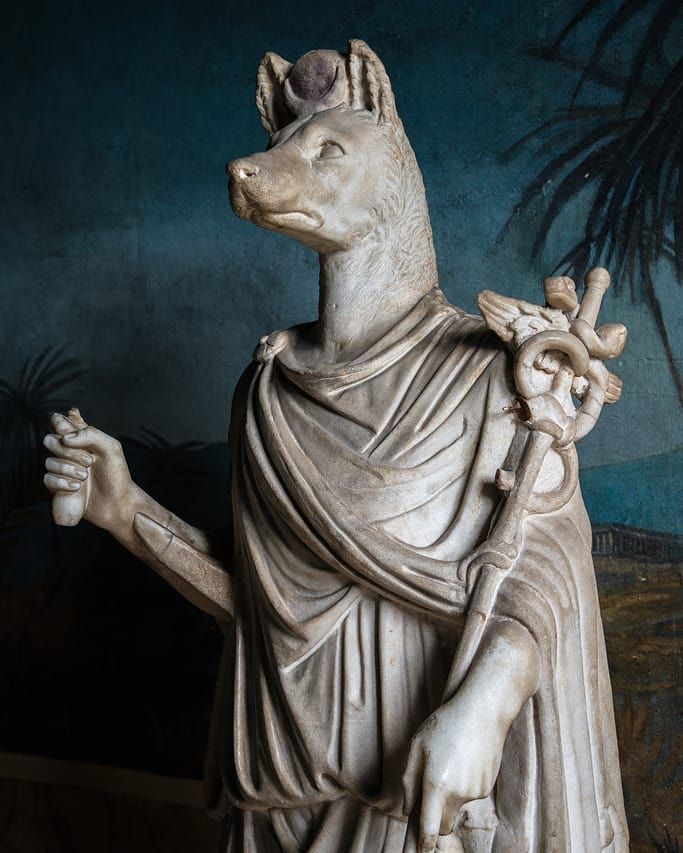
The earliest appearance of a crescent moon symbol was in Egyptian hieroglyphics as early as 2300 BC, where the crescent moon logograph represented the moon. The Egyptian God of the Moon, Khonsu, is also depicted with a moon on his head with the crescent segment highlighted. Khonsu was also a god of fertility and new life. Shiva also has a crescent moon on his forehead, indicating his full control over the mind and patronage of yogis and meditation. The
earliest depictions of Shiva appeared as early as 400-200 BC.
Heliopolis Aton városa
The Henmemet are depicted as celestial beings, distinct from the Egyptians in various aspects including language, physical characteristics, and mannerisms. The Cult of the Sun, de a Hold tüzét (piramis) > Pir-a-mish se feledjük. A görögöknél az istenek a Parn-ass-us-on éltek. Görög ászok.
Archaeology
Heliopolis was known far and wide in antiquity. Called On in Hebrew, the city is mentioned multiple times in the Old Testament.
Heliopolis was at the heart of Egyptian religion. It was both city and temple, every corner of it holy, but also filled with everyday activity. “You can compare it to the very center of Vatican City,”. Ancient city of lower Egypt situated about six miles N. of Cairo on the site of the modern village of El Mata-ri-yah. A tudós wiki szerint a latin "mater" szó torzulata a néveredet. Szemhez, naphoz, holdhoz köze sincs. Aki másképp látja
Arámi, héber nyelveken Egyiptom (E-gypt, Ay-Gypt) neve Mis-Ra-im. Nap-holdasok. AI: A Miszraim (vagy Mizraim) a héber és arámi nyelvben Egyiptom és népének megnevezése, a szabadkőművességen belül pedig egy 1805-ben alapított, 90 fokozatból álló ezoterikus és hermetikus rítus neve. Lásd még: Mizar, Miss. Mizar is a second-magnitude star in the handle of the Big Dipper.
Baalbek - Heliopolisz
aegyptusi nyelven Anu, az Ó Testamentumban On vagy Beth Semes (Nap háza), m. Matarih, szép 20 m. magas obeliszkkel, Tum napisten fényes templomának egyetlen maradványával.
These dogs were most likely produced in dynastic times. The same applies to four (one of which is smoothed) very well executed figures which can be identified as hounds. Most of them were found in the context of the Old Kingdom watch-post huts, being thus securely dated (Krzyzaniak & Kroeper 1990: 78, fig. 8). The best preserved scene shows two dogs apparently chasing a warthog.
Dogs
These dogs were most likely produced in dynastic times. The same applies to four (one of which is smoothed) very well executed figures which can be identified as hounds. Most of them were found in the context of the Old Kingdom watch-post huts, being thus securely dated (Krzyzaniak & Kroeper 1990: 78, fig. 8). The best preserved scene shows two dogs apparently chasing a warthog. Ancient Egyptian gods Hapi and Anubis were depicted in the cynocephaly form, with a human body. They are called by the Indians Kalystrii, in Greek Kynocephaloi (Cynocephali) (Dog-Headed).
Az egyiptomi napisten neve: Amon Ré. A mezopotámiai - ősi sumer eredetű - Úr-Kaszdim jelentése: a Holdisten városa. Innen származott Ábrahám is. Az együtt szereplő csillag és félhold a hunok vallási jelképei: nap főisten és a holdisten. A Pamír térségében és Észak-Indiában Kr. e. 1. századtól Kr. u. 3. századig fennálló Kusán Birodalom népe kínai nevének (jüe-csi) jelentése: a hold népe. A csillag és félhold jelképek megtalálhatók az India egyes területein Kr. u. 460-tól kb. 556-ig uralkodó fehér hunok, a heftaliták érméin, és az általuk épített Radzsasztáni templomok jelképei között [yue=Moon, chi=power]. Nem idegen a csillag és hold együttes szerepeltetése a keresztény szimbolikától sem.
. A Szentkoronán a holdsarló vízszintes elhelyezkedése mezopotámiai eredetre utal. A babiloniak a holdat Holdsarlóként ábrázolták, melyet az égbolton vízszintes helyzetben láttak, mint valami bikaszarvat.
Ámen
Az egyiptomi Amon-Ré tulajdonképpen egy Hold-Napisten volt. Ekhnaton fáraó az Amon papság hatalmát akarta megtörni Aton istenként való bevezetésével. Az "a" prefix itt feltehetően nem fosztóképző, hanem a többes szám jele. /In Pacific languages, especially Polynesian ones, the word for "sun" often derives from a common root, appearing as Ra (Maori, Tahitian)/ A-Ra-Wak: Wak feltételezhetően égitestet jelentett a majáknál. Az Amu Darja szülő folyói a Panj (Karom) és a Vakhsh (Égi?) folyók. Az Amu Darja a Hold folyó és a Szír Darja a Nap folyó.
Egypt
Amon volt Théba főistene. Fején két tollal, kezében ostorral és pásztorbottal ábrázolták. A Biblia szerint a Nap és Hold tisztelete Isten nemzetekkel közölt kijelentéséből származik (V. M óz. 4, 19.). (Fontos megkülönböztetni a bálványimádástól, mely az emberek által fából és fémből készített szobrok, illetőleg képek tisztelete.) AI: Az ókori egyiptomi holdisten neve Iah (vagy Jah), aki eredetileg maga a hold volt, de később más holdistenségekkel, mint Thot és Honszu, összeolvadt, és a bölcsesség, írás, tudomány isteneként is funkcionált, különösen Thot lett a legfontosabb lunáris istenség. Reddit Allah: Ahogy a Miriam Webster oldalán is szerepel, én úgy értem, hogy összevonás az arab al-ilah-ból, ami azt jelenti, hogy „az isten”. a név eredete legkorábbi sémi írásokig vezethető vissza, amelyekben isten szava il , el, vagy eloah volt, utóbbi kettőt a héber bibliában (Ószövetség) használták. (a kur-ay törzs volt mekka legnagyobb törzse, amelyben későb Mohamed próféta is született.) Az "il" emlékeztet az illír (csillag) szóra, vagy az Iluna (Hold) szóra is.
Hurrian
Apám napát! "Grandchild" or "Progeny of the Waters" (from Avestan apá 'waters' and napat 'grandchild/descendant')
AI: The name "Hurrian" originates from the term KUR ?urri, meaning "Land of Hurri," used in Hittite texts to refer to the region of northern Mesopotamia where the Hurrian people lived. The Hurrian language itself is of
unknown origin, though it's related to the Urartian language. The Hurrians were a Bronze Age people who established the kingdom of Mitanni and were known for their cultural influence on neighboring groups, including the Hittites.
Vajh Hur vagy Ré fiai? Amon Ré? Hold-Nap isten.
Hurrians
Although the earliest attestation of the term Subartu dates to about 2400 b.c.e., evidence of Hurrian occupation of the area does not appear until the reign of the Sargonic king Naram-Sin (c. 2200 b.c.e.), when sources begin to cite names of Hurrian places, chieftains, and individual prisoners of war. (Naram Sin = Ri Hur?)
A Biblia másként gondolja:
(Hurrian) ewri = (Akkadian) belu (“lord”)
(Hurrian) ewir-ne = (Akkadian) sharru (“king”=Kir-Ay=Hold úr). A szároszciklus egy csillagászati periódus, melynek hossza körülbelül 6585,3211 nap (18 év, 11 nap és 8 óra). Ez a ciklus lehetové teszi a nap- és holdfogyatkozások ismétlodésének és visszatérésének kiszámítását.
On linguistic grounds the Hurrians, also known as Horites, are connected with two of the seven nations of Canaan-the Hivites and Jebusites (Dt 7:1).
Oxford
Etymons: Hittite H?ar·ri, Assyrian H?ar·ri, -an suffix.
surya: mitraḥ (मित्रः),
divākaraḥ (दिवाकरः),
ādityaḥ (आदित्यः),
savitā (सविता),
bhānuḥ (भानुः),
and arkaḥ (अर्कः).
A tudós wiki szerint "Hurri=Maghara=barlang". Falkenstein and Kramer had once connected it to Sumerian ḫur-ru-um /ḫurrum/, “a mountain cave, cavern” when it was misidentified as a proper name of a mountain rather than a generic term; see the epic Lugalbanda in the Mountain Cave. A barlanglakó fia pedig a ben Hur.:-)
HunGar: Barlang. Akkadian: ḫurru. Arabic: ḡār, maḡāra. Azerbaijani: mağara. Nynorsk: hole. Central Atlas Tamazight: ifri, afri (gilan: afrā=juharfa). Pashto: ǧār, xośa, maǧāra. Quechua: mach'ay, macai. Tatar: mägarä. Japanese: hora.
HunGar: sírDOMB. Albanian varri. Basque hilobia. Belarusian mahila. Catalan tomba. Corsican tomba. Estonian haud. French tombeau. Galician tumba. Italian tomba. Russian mogila. Spanish tumba. Armenian dambaran. Azerbaijani m?zar. Turkmen mazar. Kurdish (Kurmanji) gor. Chichewa manda. Zulu ithuna. Hawaiian hale kupapa?u. Indonesian makam. Latin TOMB (< DOMB).
Sun Moon video Is it real?
Nap
Hold
Holdfogyatkozás
Pesti István 2025 október
Nyitóoldal